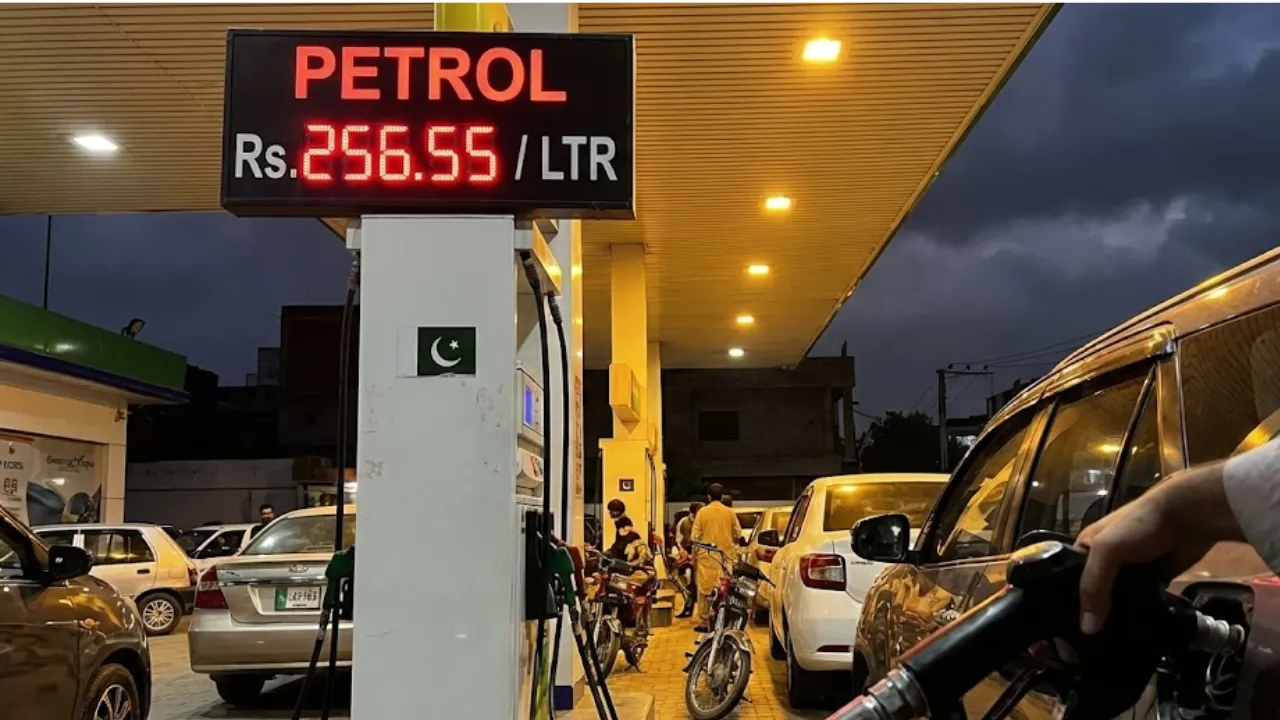
The Government of Pakistan is expected to announce a new petrol price for the next fortnight starting 1st February 2026. According to current estimates, petrol prices are likely to increase by Rs. 3.25 per litre, taking the new expected rate to Rs. 256.55 per litre.
Fuel prices in Pakistan are reviewed every 15 days and are adjusted based on international oil market trends, exchange rate movements, and government-imposed levies. If approved, the revised petrol prices will remain effective until mid-February 2026.
Expected Petrol Price from 1st February 2026
| Fuel Type | Expected Price (Rs/Litre) | Change |
|---|---|---|
| Petrol | 256.55 | +3.25 |
This anticipated increase reflects rising global crude oil prices and domestic fiscal adjustments.
Current Petrol Price in Pakistan (January 2026)
As of now, the officially notified fuel prices in Pakistan are:
| Fuel Type | Current Price (Rs/Litre) |
|---|---|
| Petrol | 253.17 |
| Diesel | 257.08 |
| LDO | 154.76 |
| Kerosene Oil | 168.41 |
The Oil and Gas Regulatory Authority (OGRA) prepares pricing summaries, while the federal government makes the final decision.
Shell Petrol Expected Price – February 2026
Shell fuel prices generally follow government-notified rates.

| Fuel | Current Price | Expected Price |
|---|---|---|
| Shell Petrol | 253.17 | 256.55 |
Shell fuels are widely used due to their engine performance standards, but any price revision applies nationwide.
Why Petrol Prices Are Increasing
1. International Oil Prices
Global crude oil prices remain unstable due to geopolitical tensions and supply disruptions. As Pakistan imports most of its petroleum products, international price changes directly affect local fuel costs.
2. Exchange Rate Fluctuations
The rupee-dollar exchange rate plays a critical role in fuel pricing. Any depreciation of the rupee increases import costs.
3. Petroleum Levy & Taxes
The government continues to adjust fuel prices under its fiscal strategy. The petroleum levy is expected to rise gradually as part of long-term revenue planning, adding pressure on fuel prices.
Impact of Petrol Price Increase
Impact on Transportation
Higher petrol prices increase operating costs for public transport, ride-hailing services, and goods delivery networks. Transporters often pass these costs on to consumers through higher fares.

Impact on Consumers
For ordinary citizens, even a small increase raises daily commuting and household expenses. Fuel price hikes also contribute to inflation by increasing the cost of essential goods.
Impact on Businesses
Businesses that depend on fuel for logistics and production face higher operational costs, which can result in increased market prices and reduced profit margins.
Government’s Pricing Policy
Fuel prices in Pakistan are revised every two weeks. OGRA submits a summary based on:
-
International oil prices
-
Import premiums

-
Exchange rate trends
-
Taxes and petroleum levy
The federal cabinet then approves the final rates.
Conclusion
The upcoming petrol price from 1st February 2026 is expected to rise by Rs. 3.25 per litre, bringing the new estimated rate to Rs. 256.55 per litre. While the increase may seem moderate, it adds further pressure on households, transport services, and businesses already dealing with rising inflation.
Consumers are advised to stay updated through official government announcements and plan fuel usage accordingly.

FAQs
What will be the petrol price from 1st February 2026?
The expected petrol price is Rs. 256.55 per litre, subject to government approval.
What is the current petrol price in Pakistan?
As of late January 2026, petrol is priced at Rs. 253.17 per litre.
How often do petrol prices change in Pakistan?
Fuel prices are revised every 15 days.
Who decides petrol prices?
OGRA prepares the summary, but the Government of Pakistan makes the final decision.





This content is published for general information and awareness purposes. kixxoil.pk is an independent informational website and is not officially connected with any government authority or public institution. Readers are encouraged to confirm details directly from official sources before making any decisions.